Why Performance Optimization & Speed Matter for Every Website in 2025
Published on November 1, 2025 by Sanaullah Khan
Introduction
In 2025, website speed optimisation Mumbai is critical for every website. Google prioritizes fast-loading sites, and users leave slow ones quickly. A sluggish website can hurt your brand image, reduce conversions, and increase bounce rates. Performance isn’t just technical — it affects every visitor’s experience. This blog explains why speed matters, the key metrics to track, real-world impacts, and practical steps to optimize your website effectively.
Key Speed Metrics You Must Track
Core Web Vitals
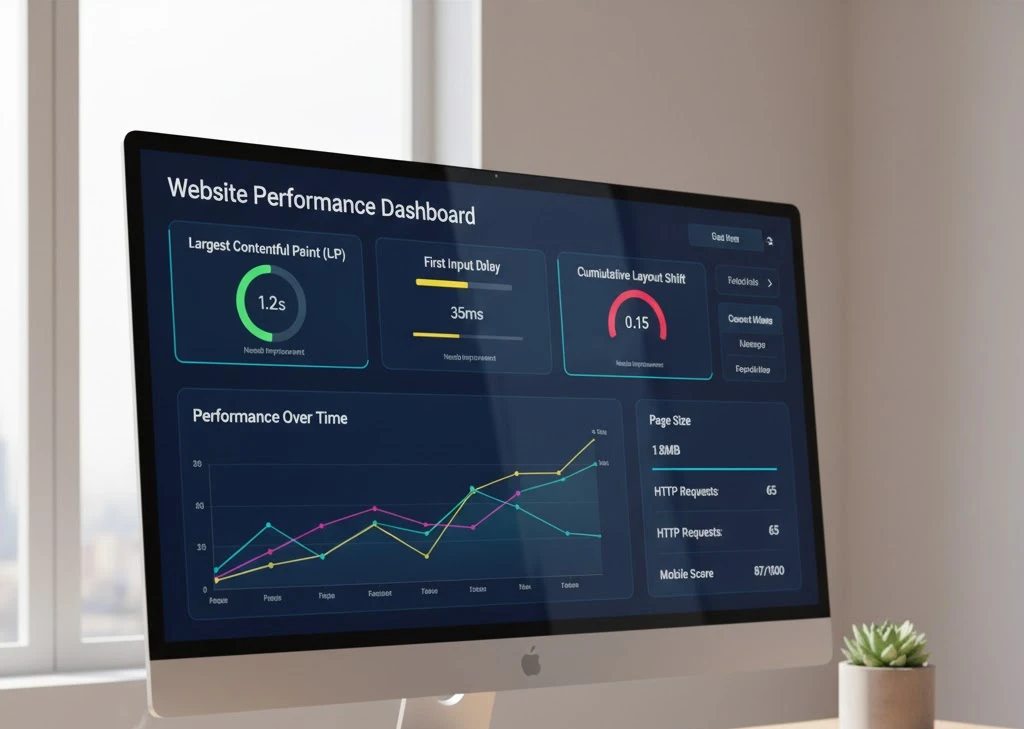
Google’s Core Web Vitals focus on user experience. These include:
Largest Contentful Paint (LCP): Measures page load speed. Ideal: under 2.5 seconds.
First Input Delay (FID): Time before a user can interact. Ideal: <100 ms.
Cumulative Layout Shift (CLS): Visual stability of content. Ideal: <0.1.
Tracking these helps identify bottlenecks and improve your site’s performance.
Page Size and Requests
Large images, scripts, and multiple HTTP requests slow down pages. Reducing size and combining files improves speed.
Mobile Performance
Most users browse on mobile, making mobile speed critical. Tools like Google PageSpeed Insights or Lighthouse provide actionable insights.
How a Slow Website Costs Real Business
A slow website impacts revenue, engagement, and brand reputation. For example:
E-commerce stores lose customers if checkout pages take too long.
Content websites get lower ad revenue due to high bounce rates.
Professional services firms appear less reliable when pages lag.
A case study showed a retailer improved conversions by 15% after reducing page load time by 2 seconds. Speed directly affects customer trust and sales.
At HNK Media, we combine design and technical excellence to ensure websites load fast:
Custom Code Optimization: Removing unnecessary scripts for cleaner, faster pages.
Hosting & CDN: High-speed servers and content delivery networks.
Regular Audits: Monthly performance checks to maintain peak speed.
Mobile-First Approach: Every site is tested rigorously on mobile devices.
Clients benefit from improved user experience, better Google rankings, and higher engagement.
FAQs About Website Performance Optimization
Q1: How fast should my website load? Ideally under 2–3 seconds for desktop and mobile users.
Q2: Does website speed affect SEO? Yes, Google uses speed as a ranking factor in search results.
Q3: Can I improve speed without redesigning my website? Yes. Optimizing images, caching, and cleaning code can significantly improve performance.
Q4: How often should I check site speed? Monthly or quarterly audits are recommended for consistent performance.
Q5: Is mobile performance more important than desktop? Yes, since most traffic comes from mobile devices, prioritizing mobile optimization is essential.
Conclusion
Website speed can make or break your online presence in 2025. Fast websites improve user experience, build trust, and increase revenue. HNK Media offers expert website speed optimisation Mumbai services and performance audits to ensure your website performs at its best.
CTA:Contact us today for a free or discounted website speed audit and make sure your site is ready for 2025!


 Call 24/7 Hours+91 87677 68614
 Send Us Mail info@hnkmedia.com