UI/UX Design Trends That Indian Startups Should Follow in 2026
Published on April 28, 2026 by Sanaullah Khan
The Evolution of UI/UX Design in India
UI/UX design in India is no longer influenced only by global trends. It is now evolving based on local user behaviour, infrastructure realities, and cultural diversity. Over the past decade, India has seen rapid digital adoption, with millions of new users coming online from tier-2 and tier-3 cities. This shift has fundamentally changed how digital products must be designed.
According to insights from Statista and Internet and Mobile Association of India, India has over 900 million internet users, with the majority accessing digital platforms through mobile devices. More importantly, a large percentage of these users are vernacular-first and mobile-first, which creates unique challenges and opportunities for designers.
At HNK Media, a UI/UX design agency in Mumbai, we work closely with startups across fintech, D2C, healthcare, and service industries. What we observe is clear: design decisions that work in Western markets often fail in India unless adapted properly.
This article breaks down the most important UI/UX design trends shaping Indian digital products in 2026, along with practical insights on how startups can apply them.
1. Vernacular-First Design Is Now a Core Requirement
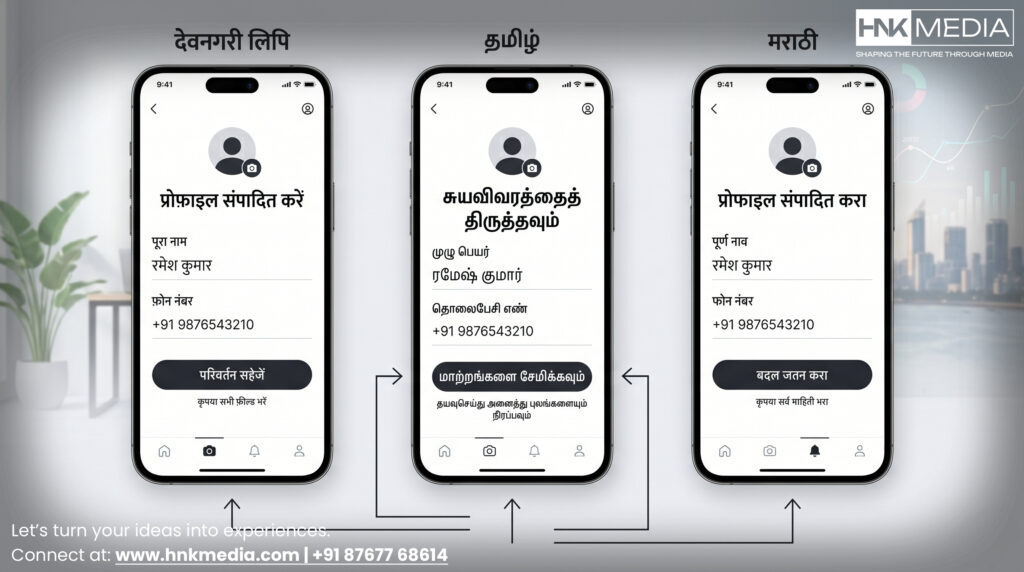
India’s linguistic diversity is one of the biggest factors influencing UX design today. With 22 official languages and hundreds of dialects, designing only for English users limits growth significantly. The next wave of internet users in India prefers interacting in regional languages such as Hindi, Tamil, Telugu, Bengali, and Marathi.
This shift is not just about translation—it is about designing experiences in the user’s native language from the beginning.
From a UX perspective, vernacular design introduces several complexities. Indian scripts like Devanagari or Tamil require different typography rules compared to Latin text. Line height, spacing, and font readability behave differently. Interface elements such as buttons, navigation menus, and forms need to be resized and restructured to accommodate longer or more complex text.
For example, a simple English CTA like “Submit” may expand significantly in Hindi, affecting layout balance. If not planned early, this creates broken interfaces and poor user experience.
More importantly, language influences trust and comprehension. Users are more likely to engage, complete actions, and convert when they understand the interface comfortably.
Key Insight: Startups targeting Bharat (tier-2 and tier-3 markets) should design in the primary user language first and then adapt to English—not the reverse.
2. Designing for Low-Bandwidth and Real-World Connectivity
While India’s internet infrastructure is improving, network reliability still varies across regions. Many users experience inconsistent speeds, especially outside metro cities. Designing for high-speed internet alone creates a disconnect between product experience and real-world usage.
Modern UI/UX design in India must account for low-bandwidth environments and device limitations.
This includes:
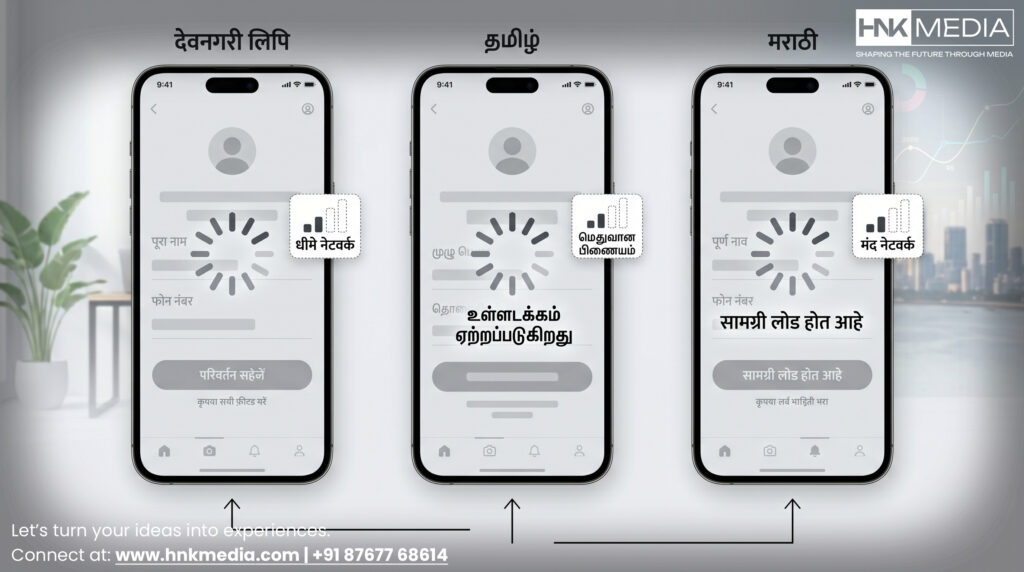
Progressive loading of content
Lightweight UI components
Image optimisation using modern formats
Offline functionality for critical actions
Minimal dependency on heavy animations
A well-designed loading experience is not just a technical solution—it is a user experience decision. Skeleton screens, progress indicators, and partial content loading help reduce perceived waiting time and keep users engaged.
Testing products on slower networks (like throttled 3G) and budget Android devices provides a realistic understanding of user experience.
Pro Tip: If your product feels slow on a mid-range Android device, it is likely unusable for a large portion of your audience.
3. WhatsApp-Native UX Is Redefining User Journeys
India has one of the highest adoption rates of WhatsApp globally. It is no longer just a messaging platform—it is a primary business communication channel.
From a UX perspective, this changes how user journeys are designed.
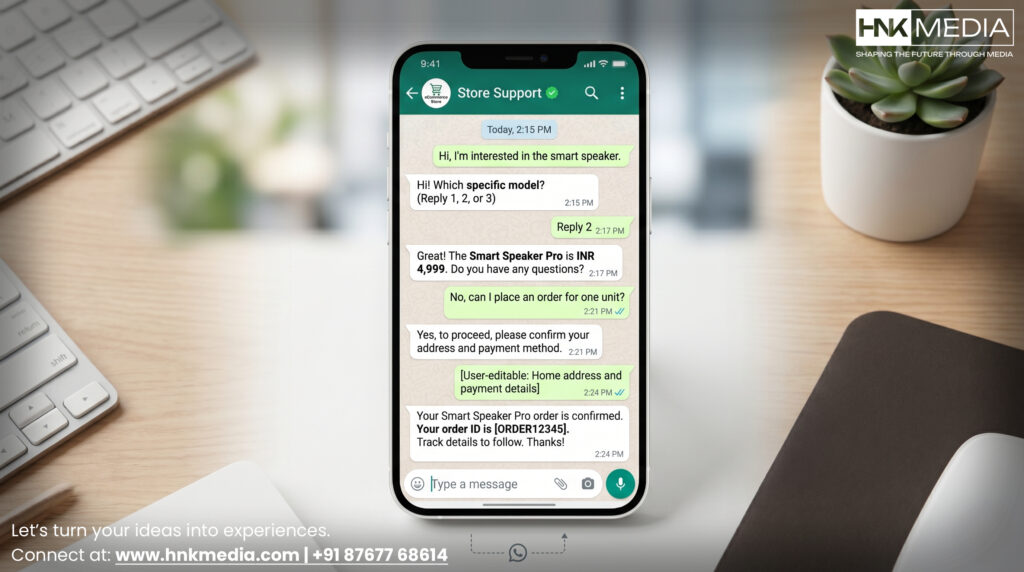
Instead of forcing users to move between platforms, modern products are integrating workflows directly into WhatsApp. This includes:
Customer support
Order confirmations
Booking systems
Lead generation flows
This shift introduces the concept of conversational UX design, where interactions happen through chat interfaces instead of traditional screens.
Designing for WhatsApp requires:
Clear, simple messaging
Logical conversation flows
Human-like tone and responses
Fast response time
For many Indian users, especially in service-based industries, completing a transaction on WhatsApp feels more natural than navigating a website.
4. Micro-Interactions as a Trust-Building Layer
As digital adoption increases, users have become more aware of poor-quality experiences. Apps that fail to provide feedback, lag during actions, or behave unpredictably quickly lose trust.
Micro-interactions play a critical role in solving this.
These include:
Button animations
Loading indicators
Confirmation messages
Visual feedback on actions
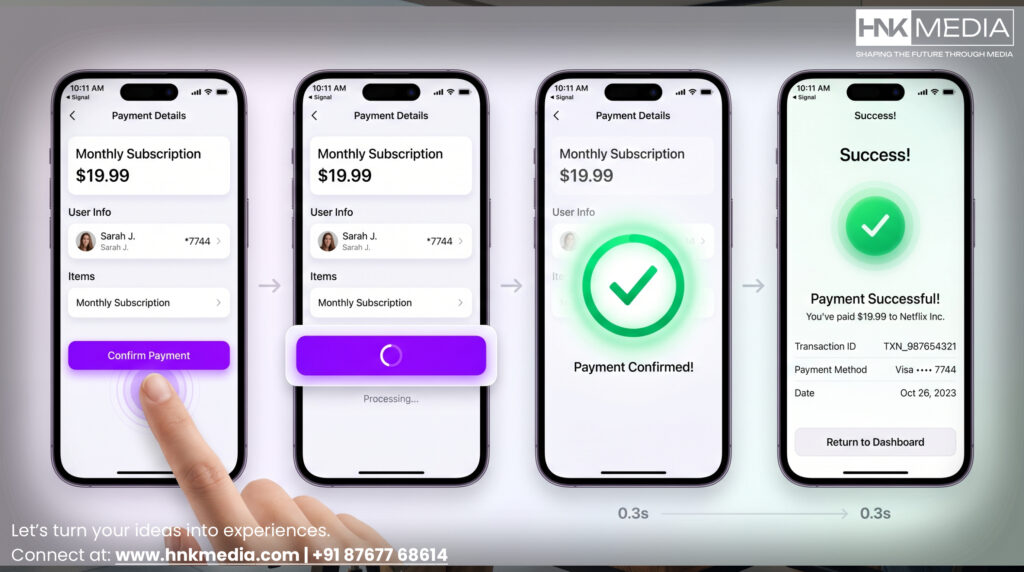
In India, where digital payments and online transactions are growing rapidly, these small details significantly impact user confidence.
For example, a smooth payment confirmation animation reassures users that the transaction is successful. Without it, users may feel uncertain and repeat actions, leading to frustration.
Micro-interactions are not just visual enhancements—they are functional trust signals.
5. Accessibility and Dark Mode as Standard Practice
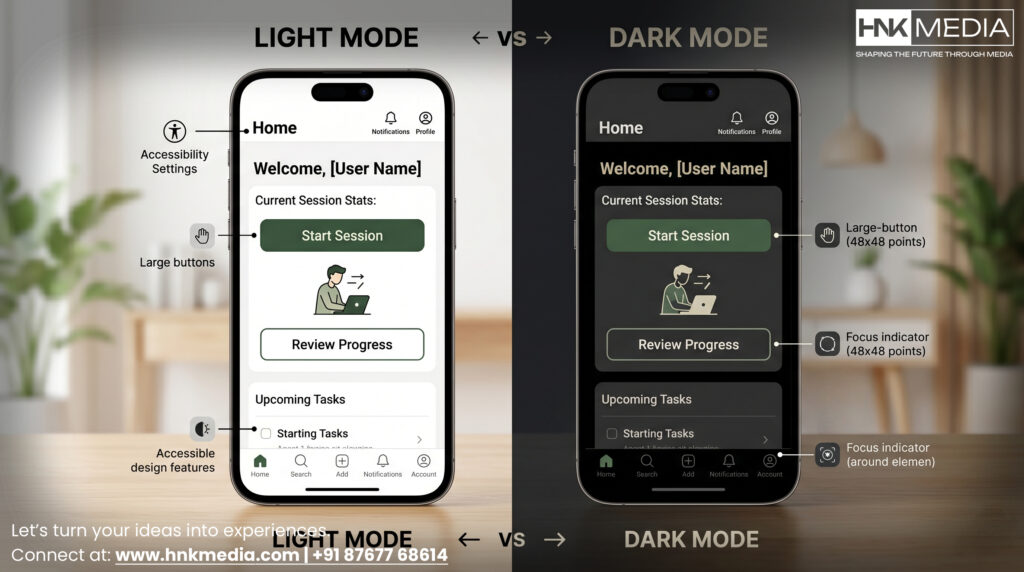
Indian users interact with digital products in diverse conditions—bright sunlight, low-light environments, and across devices with varying screen quality. This makes dark mode and accessibility features essential, not optional.
Accessibility in UI/UX design includes:
High contrast text
Readable font sizes
Clear navigation
Touch-friendly buttons
Screen reader compatibility
According to global accessibility standards like WCAG, inclusive design improves usability for all users, not just those with disabilities.
India has millions of users with visual or physical limitations. Designing for accessibility ensures that products reach a broader audience while also improving overall experience quality.
6. Culturally Relevant Visual Design
One of the most noticeable changes in Indian UI/UX design is the shift away from generic, global design patterns toward locally relevant visual language.
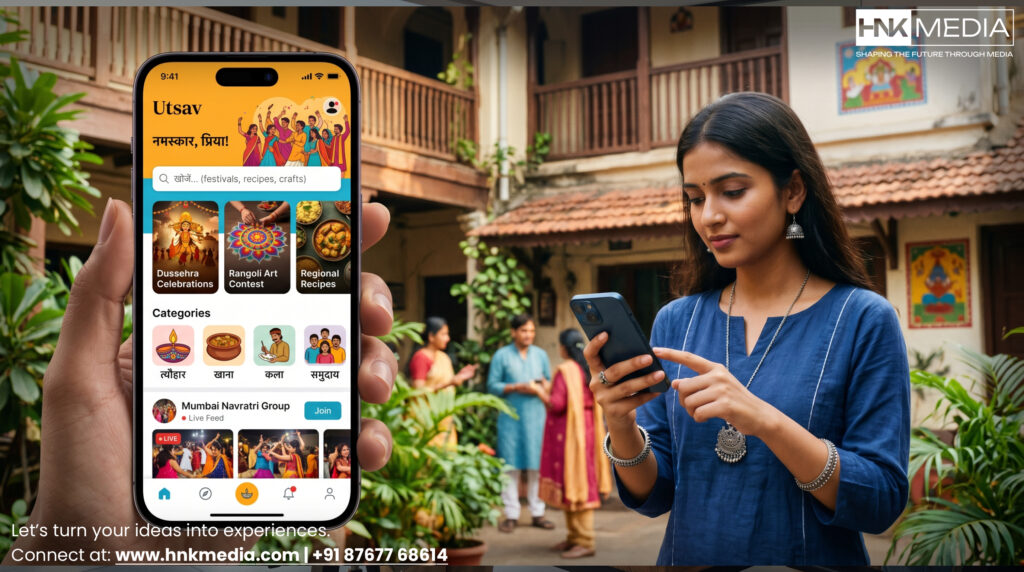
Users today expect digital products to reflect their environment, lifestyle, and cultural context.
This includes:
Using Indian faces and real-life scenarios in visuals
Avoiding generic stock imagery
Designing illustrations that feel relatable
Choosing colors that align with cultural meaning
Cultural relevance creates a sense of familiarity and belonging, which directly influences engagement and brand loyalty.
Design is no longer just about aesthetics—it is about representation and connection.
How Startups Can Apply These Trends Strategically
Applying all trends at once can create complexity and inconsistency. Instead, startups should prioritise based on their audience.
Metro-focused products: Focus on micro-interactions, accessibility, and visual refinement
Tier-2 and tier-3 audience: Prioritise vernacular design, low-bandwidth optimisation, and WhatsApp integration
Pan-India audience: Start with infrastructure (performance + accessibility), then layer branding and cultural design
The key is to design for real users, not assumptions.

 Call 24/7 Hours +91 87677 68614
 Send Us Mail info@hnkmedia.com